
The Beauty of Imperfection
While uniformity will always have its appeal in design, something about variation makes a material feel more natural. A subtle shift in colour, a vein across the surface or a change in texture can create depth and character.
These small details are often what keep a design from feeling flat. Rather than everything looking the same, variation makes a material feel considered rather than overly polished

Natural Movement
Veining is one of the staple ways a tile brings movement to a space. Some surfaces have softer, more subtle veining that adds a quiet layer of visual interest, while bolder veining makes more of a statement.
Movement can also come through mineral details, texture and pattern, each giving the surface its own character. It’s these details that make the material feel a little more natural and less predictable.
Subtle Variation
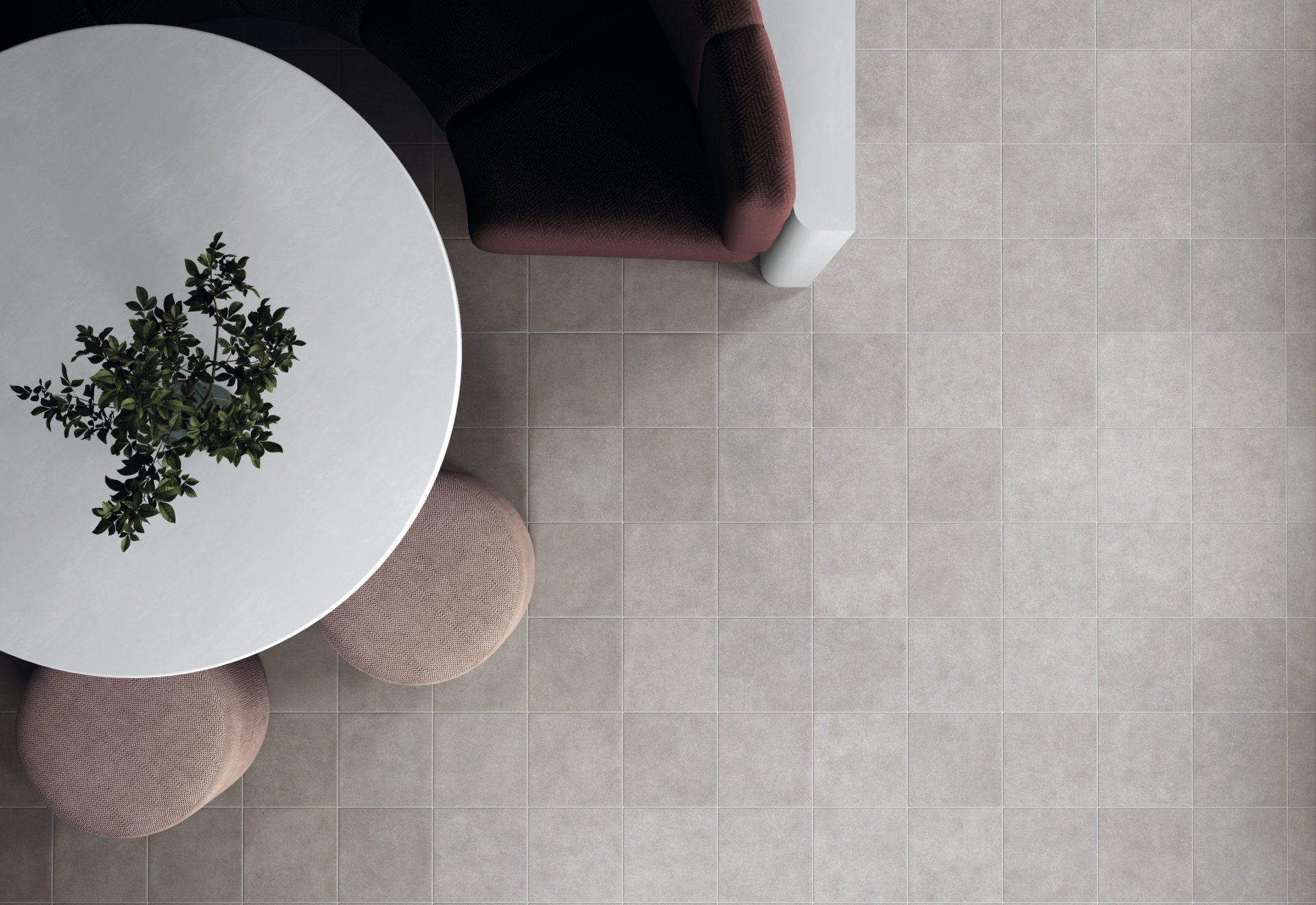
Variation doesn’t always have to be dramatic. Natural shifts in colour, tone or finish can make an impact without feeling overwhelming.
Instead of having everything look exactly the same, these small differences create a more layered look. The overall effect can still feel clean and cohesive, but with just enough variation to keep things interesting.

Layered Texture
Texture in itself adds dimension, creating another way for variation to come through. A raised surface, three-dimensional detail or handmade finish can completely change the feeling of a material.
Even a simple colour can take on more depth when texture is introduced. As light moves across the surface, the different details come through, giving the tile a little more depth and making it feel different throughout the day.
A Little Imperfection
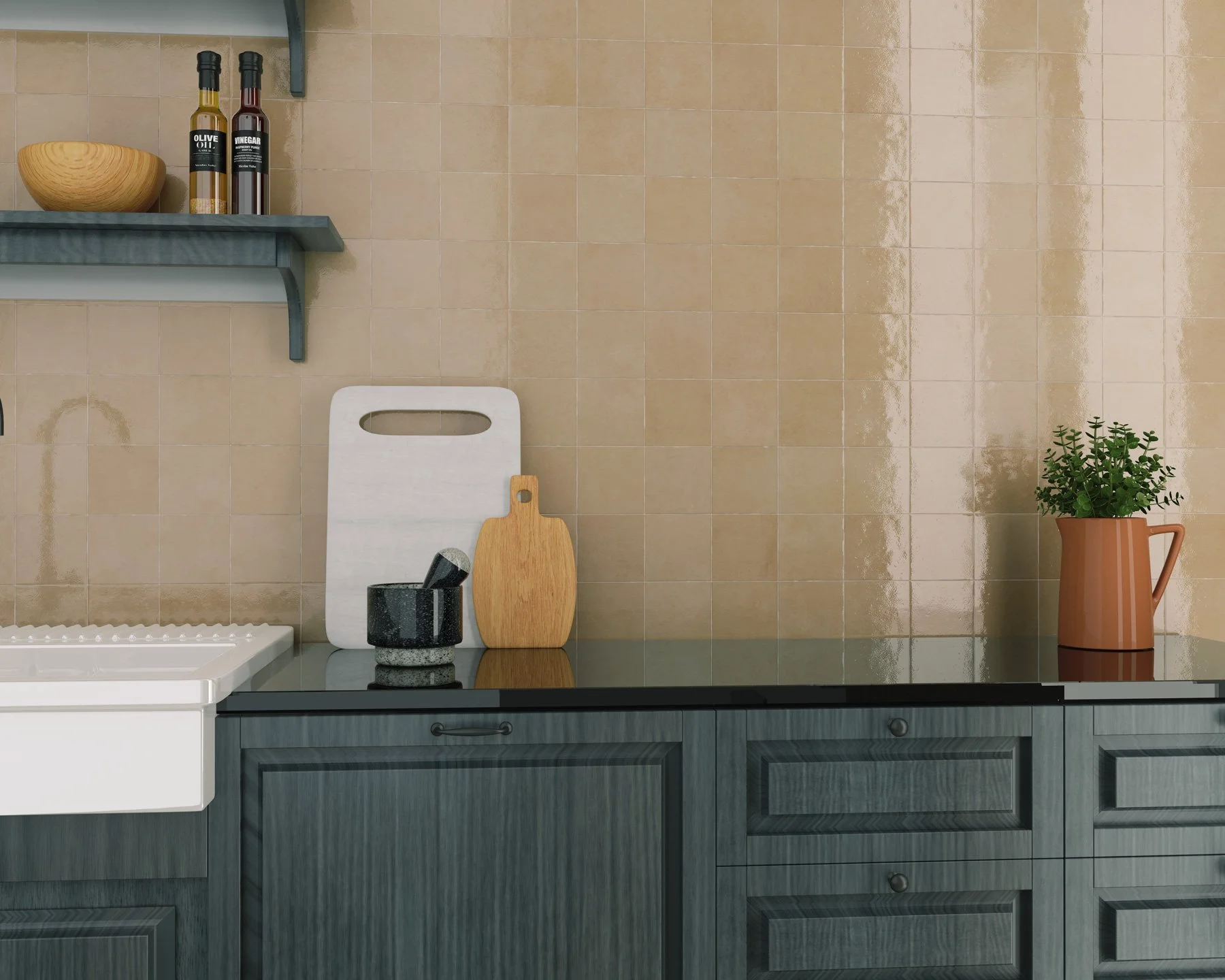
There is something about a material that isn’t perfectly uniform that gives it a more personal appeal. Handmade-inspired tiles, and natural stones have a character that comes from their subtle differences. Rather than feeling overly polished or predictable, these details can make a material feel more considered. A little imperfection can be what gives it its character.

The Character in the Details
IIt’s often the small details that make a material stand out. The variation in colour, the movement in the veining or the texture across the surface can all change the way it feels once it’s part of a space.
None of these details need to be dramatic on their own. Together, they’re what give a material its character and keep it from feeling too perfect.
Sometimes, it’s the small differences that make a material feel more natural, more personal and ultimately, more interesting.