
7 Tile Design Details That Make a Space Feel More Elevated
A beautiful tile can completely transform a space, but the tile itself is only part of the equation. The way it’s laid, paired, finished, and even lit can have just as much impact on the final look.
When a space feels elevated, it’s often because of these small design decisions that you might not immediately notice.
Here are seven details that can make all the difference.
1. Grout
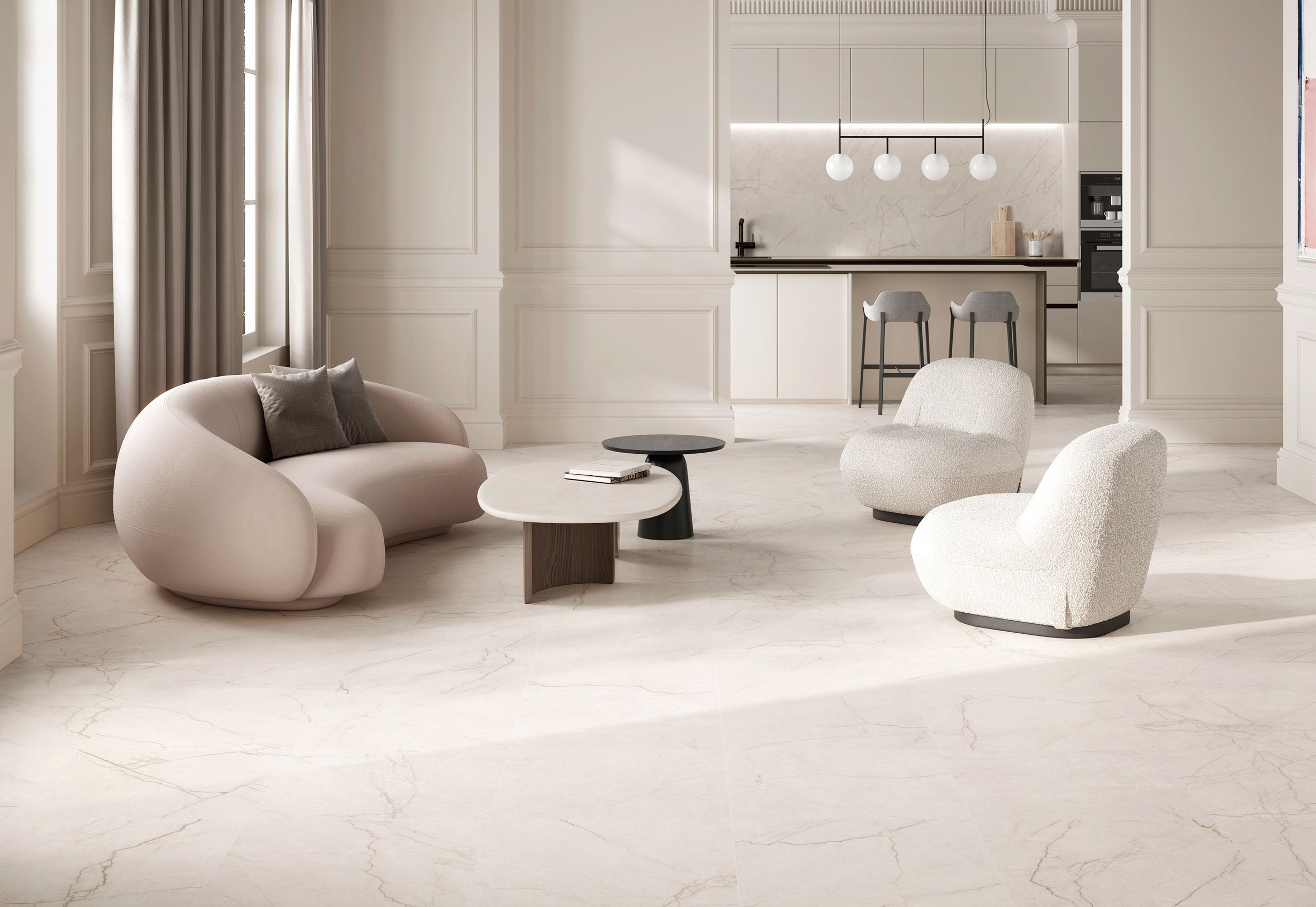
When you want tile to be a focal point, the colour of the grout is important. Matching the grout to the tile or choosing a shade that closely complements it can create a more seamless look.
Of course, contrasting grout can be great as well when you want to accentuate the pattern or layout. It’s all about knowing what you want the grout to do within the space.

2. Layout
A well-thought-out layout can make a significant difference in how the tile looks.
Where the tile starts, where the cuts fall, and how the pattern transitions across a surface can all make a difference.
Intentional layouts help create balance, resulting in a more cohesive and considered look.
3. Edges
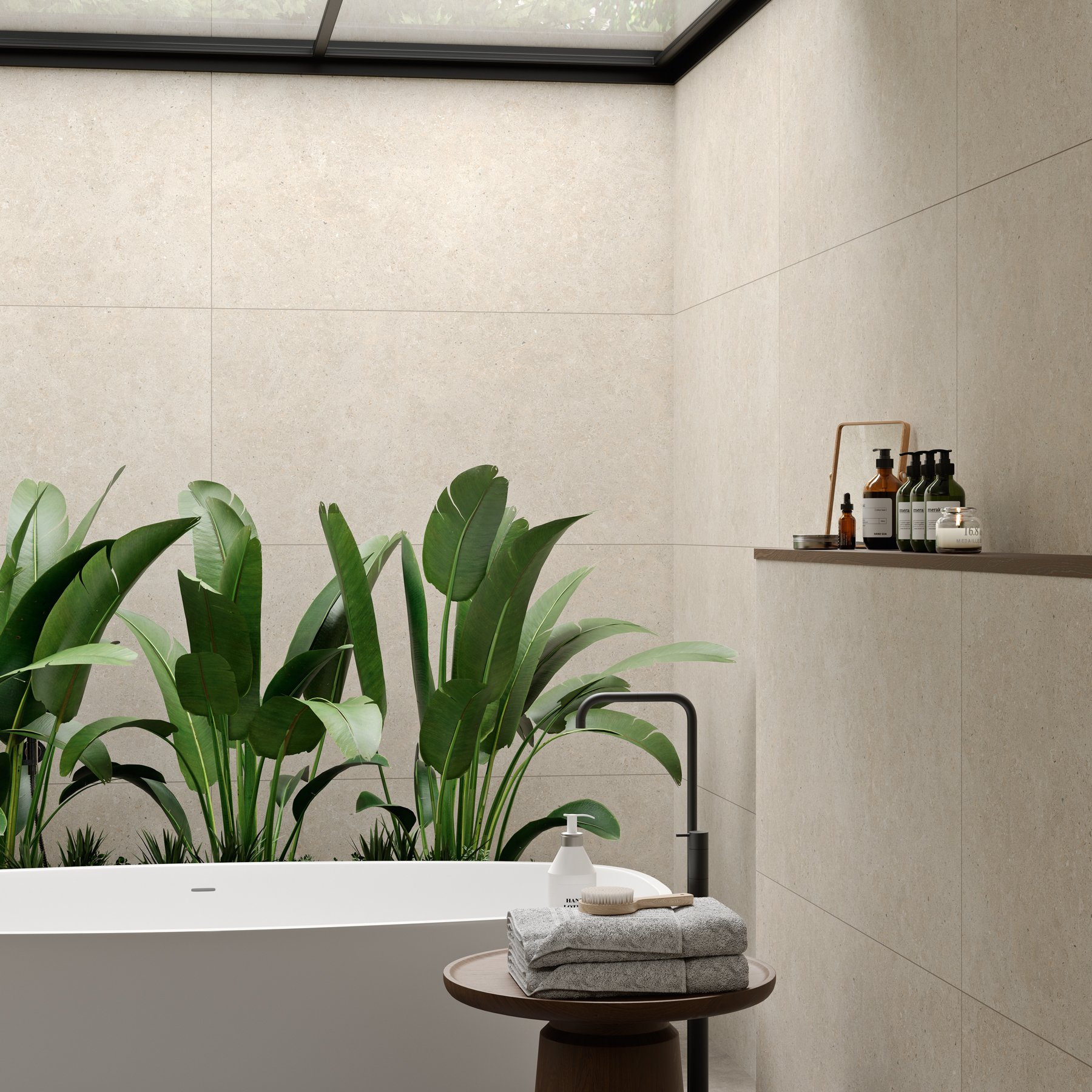
The details around corners and exposed edges can have a major impact on the finished design.
How these areas are finished can create a cleaner, more refined transition between surfaces and contribute to the overall architectural feel of the space.

4. Size
The size of a tile can have a big impact on the overall look of a space. Large-format tiles can create a cleaner and more seamless appearance, while smaller formats can bring in more pattern and detail.
The goal isn’t necessarily to choose the biggest tile, but to choose the size that best complements the space and the overall design.

5. Finish & Texture
The finish of a tile can completely change how it looks in a space. Matte, satin, and gloss finishes interact with light differently, while textured surfaces can add another layer of depth.
Choosing the right finish can help create contrast and dimension, even when working with a simple colour palette.

6. Lighting
Lighting can completely change the way a tile is perceived. Natural light can bring out subtle variations and veining, while directional or wall lighting can emphasize texture and dimension.
It’s worth considering how the tile will look throughout the day, not just under showroom lighting.
7. How It Works With Everything Else
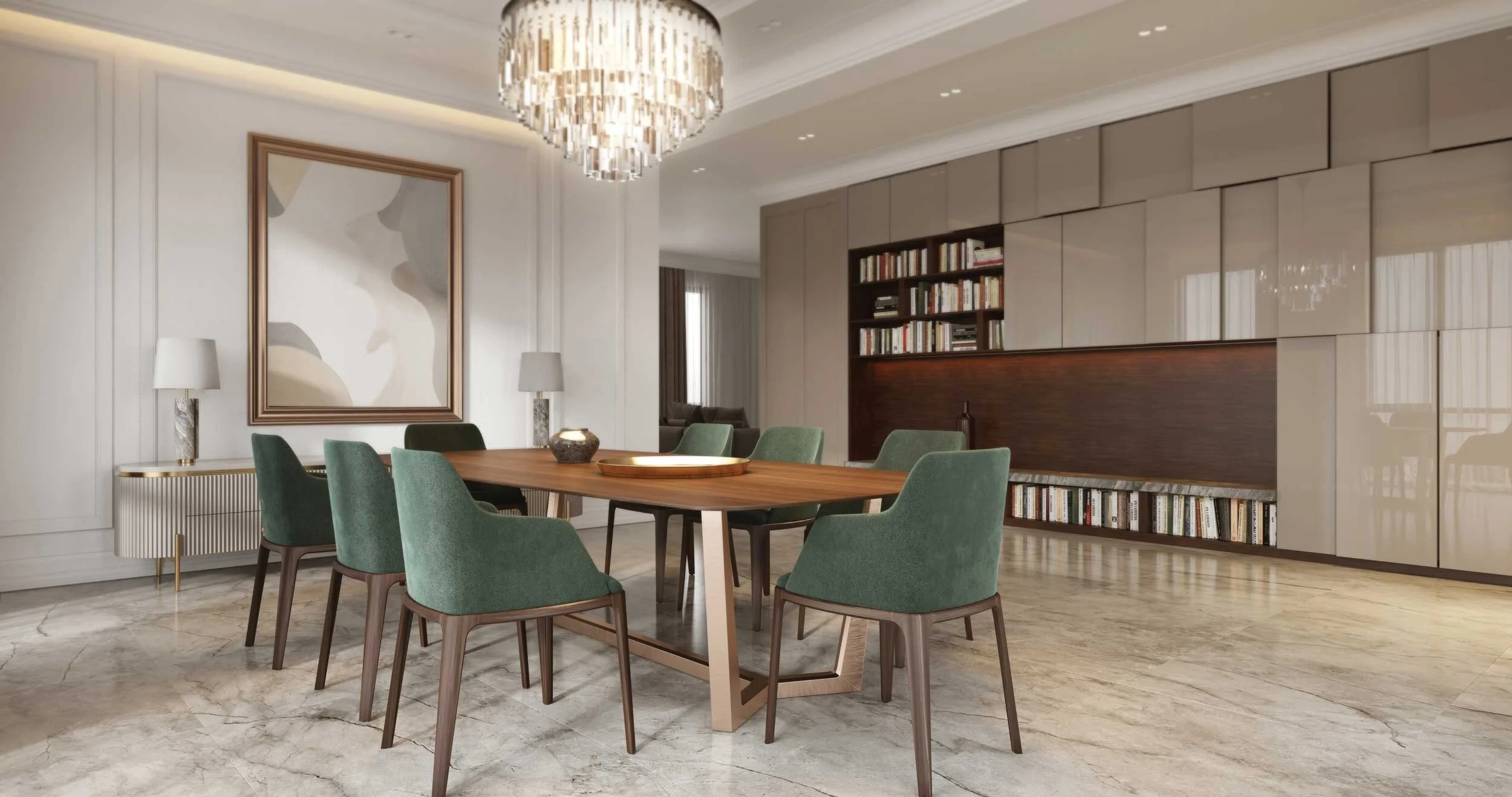
A tile should be considered as part of the entire space, not on its own.
Think about how its colour, movement, texture, and finish work with the cabinetry, countertops, flooring, paint, and hardware. The goal isn’t necessarily for everything to match, but for the materials to complement each other and create a cohesive space.
Ultimately, it’s the combination of these details that takes a tile design from simple to thoughtfully designed, creating a space that feels cohesive, intentional, and elevated.